
When water enters a home or business in Memphis TN, the next question is often not just how to dry it out, but whether that drying process will truly stop mold from forming. In most cases, water damage restoration in Memphis TN can prevent mold growth when it begins quickly, removes moisture thoroughly, and addresses hidden wet materials before mold has time to spread.
For property owners in Memphis TN, this matters because the local climate, seasonal humidity, and the way water can move through walls, flooring, and crawl spaces all increase the risk of mold after a leak, flood, or plumbing failure. The key is not simply removing standing water. The real protection comes from fast response, professional structural drying, and careful inspection of the full affected area. Hometown Solutions Water And Flood Damage Restoration positions its service around emergency cleanup, water extraction, and drying for homes and businesses, which is exactly the combination needed to reduce the chance of mold after water intrusion.
If you are comparing options for a local response team, it helps to start with a company that clearly serves the region and offers direct emergency help through its Hometown Solutions Water and Flood Damage Restoration Memphis TN team, because speed is one of the biggest factors in whether mold develops after a water event. The faster the water is removed and the building is dried, the less likely mold spores will find the damp environment they need to take hold.
Why Water Damage Restoration in Memphis TN Matters for Mold Prevention
Mold does not need a dramatic flood to start growing. A small leak under a sink, a broken supply line behind a wall, a roof leak after a storm, or a soaked carpet from an overflowing appliance can create enough moisture for mold to begin developing in as little as 24 to 48 hours if the area stays wet. That is why water damage restoration in Memphis TN is so closely tied to mold prevention. When restoration teams arrive quickly, they remove water before it penetrates deeper into building materials and they dry the structure before spores can take root.
In Memphis TN, this is especially important because warm weather and humidity can keep surfaces damp longer than homeowners expect. Even when a room looks dry at a glance, moisture can remain trapped in drywall, insulation, subfloors, baseboards, framing lumber, and HVAC-connected cavities. Once hidden moisture is present, mold can continue growing out of sight while the property owner believes the problem is solved. Professional restoration reduces that risk by identifying both visible and concealed wet areas.
The restoration process is not only about cleaning up after the loss. It is about protecting the structure from secondary damage. That secondary damage can include warped materials, lingering odors, indoor air quality problems, and microbial growth. A properly managed response lowers the chances that a water issue becomes a mold issue weeks later.
How Water Damage Turns Into Mold in Memphis TN Homes
To understand whether restoration will stop mold, it helps to understand how mold begins. Mold spores are already present in the air almost everywhere. They become a problem when they land on a damp surface with enough organic material to feed on. In a home or commercial building, that material can include wood, paper backing on drywall, dust, fabric, insulation, and even residue on concrete.
In Memphis TN homes, water damage often affects places that are easy to overlook. Crawl spaces, laundry rooms, bathrooms, kitchens, attics, and wall cavities behind cabinets are common trouble spots. If a leak goes unnoticed overnight or through a weekend, moisture may spread into subfloors or insulation before anyone sees it. If that moisture is not fully removed, mold can colonize hidden materials and continue growing long after the surface feels dry.
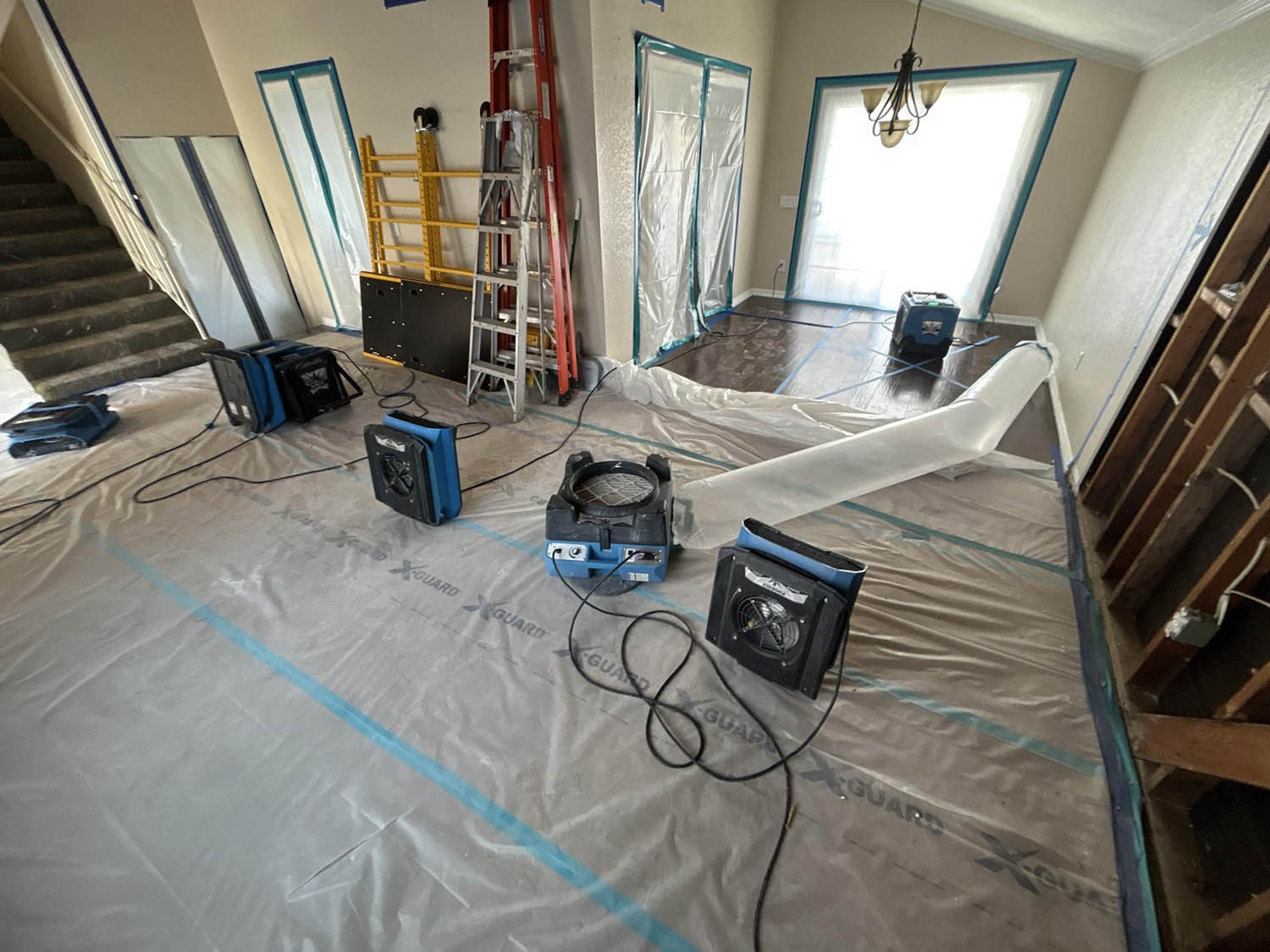
This is why restoration teams use more than towels and fans. They may use water extraction equipment, dehumidification, air movement, thermal imaging, and moisture meters to determine where water traveled. Those tools help reveal whether the water stayed on the surface or moved into structural materials. In practice, that difference is what decides whether the property can be dried in time to stop mold or whether some materials must be removed to prevent future growth.
What Professional Restoration Does That DIY Drying Often Misses
Many property owners try to dry out a wet area themselves. Some open windows, run box fans, and assume the room is safe once the visible water is gone. In simple cases, that may help. But if water reached hidden spaces, DIY drying often misses the exact conditions mold needs. Water can travel under flooring, behind baseboards, under cabinets, into insulation, and inside wall cavities where household fans cannot reach effectively.
Professional water damage restoration in Memphis TN is designed to address those hidden problems. A trained team can identify the full extent of the damage, remove standing water, extract moisture from carpet and padding if salvageable, set drying equipment in the correct locations, and monitor progress until moisture levels return to acceptable ranges. That matters because mold prevention depends on reaching the wet materials, not only the visible surface.
Another advantage is speed. The longer materials remain wet, the more likely they are to support microbial growth. A rapid response can be the difference between a cleanup and a much more expensive remediation project. If drywall, insulation, or subflooring remains saturated too long, they may have to be removed rather than dried. That adds time, cost, and disruption. Preventing mold is always easier than removing it after growth has started.
Memphis TN Conditions That Make Fast Drying Important
Memphis TN has weather patterns that can make moisture control especially important. Heavy rain, severe storms, sump pump failures, appliance leaks, and plumbing bursts can all happen without much warning. Once water gets inside, humidity can slow the natural evaporation process. That means a room may feel cool and look dry while deeper building materials stay damp for days.
Neighborhoods across Memphis TN can face different water intrusion patterns depending on property age, drainage, and construction type. Older homes in areas like Midtown, North Memphis, and parts of Orange Mound may have materials that react differently to moisture than newer homes in East Memphis or Cordova. Homes near the Mississippi River corridor or lower-lying drainage areas may also face challenges when storms bring heavy runoff. The exact neighborhood does not matter as much as the principle: the sooner drying begins, the better the odds of stopping mold before it starts.
Commercial properties in Memphis TN face similar risks. Offices, retail spaces, restaurants, warehouses, and multi-unit buildings can all sustain hidden water damage after a pipe break or roof leak. In those settings, speed is even more important because moisture can affect multiple units or large square footage at once. Restoration helps protect not just the building but also the health of occupants and the continuity of business operations.
Signs Mold May Already Be Developing After Water Damage
Not every water event can be caught instantly, and not every building dries cleanly on the first pass. That is why it helps to know the warning signs that mold may already be forming after water damage restoration in Memphis TN. A persistent musty smell is one of the most common clues. So are discoloration, staining that spreads after drying, peeling paint, soft drywall, warped baseboards, and allergy-like symptoms that seem worse in one room than in others.
Sometimes the signs are less obvious. A homeowner may notice that a floor feels slightly springy, a closet smells damp, or an HVAC vent releases a stale odor. These can all suggest moisture remains trapped somewhere in the structure. If restoration work did not fully dry the area, the remaining dampness can support mold growth even if the surface appears clean.
That is why inspection after a leak matters so much. A thorough restoration process does not end when the visible water is removed. It continues until the moisture readings show the affected area has been properly dried. In a city like Memphis TN, where ambient humidity can complicate evaporation, that level of verification is essential for mold prevention.
What a Proper Water Damage Restoration Process Should Include
A strong restoration process follows a sequence. First comes inspection and damage assessment. The team identifies the source of water, determines how far the moisture spread, and evaluates which materials may be salvageable. Next comes water extraction. Standing water and surface moisture are removed as quickly as possible to limit further absorption.
After extraction, drying and dehumidification begin. This step is where many mold problems are either prevented or created. Air movers and dehumidifiers need to be placed strategically to dry the structure, not just the visible room. A careful technician will check moisture levels in affected materials and adjust the equipment as needed. If the building has insulation or framing that stayed wet too long, damaged sections may need removal so the rest of the structure can dry correctly.
Sanitizing and odor control may also be part of the process, depending on the source of the water. Clean supply-line water is different from contaminated water from sewage or flood conditions. The level of cleaning required depends on the category of water and the materials involved. When performed correctly, the process can greatly reduce the risk of mold by eliminating excess moisture and addressing contaminated surfaces before spores multiply.
If you are evaluating a local provider, the service descriptions on the Water Damage Restoration Memphis TN service page explain the core approach: professional water removal, drying, and restoration for residential and commercial properties. That combination is critical because no single step by itself fully protects a property from mold. Extraction, structural drying, and follow-up monitoring work together.
Why Hidden Moisture Is the Real Mold Risk
One of the biggest misconceptions about water damage is that if a surface feels dry, the problem is over. In reality, hidden moisture is often the biggest risk. Water can collect in base plates, subfloors, wall cavities, insulation, and under laminate or hardwood flooring. Even a small amount can remain long enough to become a mold source.
In Memphis TN, this hidden moisture risk is amplified by building materials that absorb water quickly and by weather conditions that make drying slower. Carpet padding, drywall, and wood framing can all retain moisture after a leak. If the affected area is not opened, checked, and dried properly, mold can remain hidden until odors, stains, or structural issues show up later.
That is why moisture monitoring is just as important as cleanup. A restoration process that does not verify dryness is incomplete. Professional teams use tools that can detect moisture in materials the eye cannot see through. That verification step is one of the clearest signs that a restoration company is working to prevent mold, not simply making the room look better on the surface.
How Memphis TN Property Owners Can Reduce Mold Risk After Water Damage
Even before a restoration team arrives, there are a few practical steps Memphis TN property owners can take to reduce the risk of mold. Shut off the water source if possible. Move furniture and valuables away from the wet area. Photograph the damage for records. Open interior doors to improve airflow, but avoid assuming that natural air movement alone will dry the structure. If it is safe to do so, stop using HVAC systems that may spread moisture or contamination through the property until the source and extent of the damage are understood.
After the restoration team begins work, ask whether moisture readings are being taken in walls, floors, and other concealed areas. Ask whether any materials were removed because they could not be dried safely. Ask how the drying goal will be verified. These questions matter because they show whether the job is focused on true moisture removal or just cosmetic cleanup.
For homeowners near Shelby Farms Park, in the University of Memphis area, around Poplar Avenue, near the I-240 and I-40 corridors, or in commercial districts close to downtown Memphis TN, access to a responsive restoration company can make a major difference in how much damage occurs. Water problems often develop fast, and mold prevention depends on fast decisions.
Does Water Damage Restoration Always Stop Mold?
The honest answer is no, not always. Water damage restoration in Memphis TN can stop mold from growing when the response is fast enough and thorough enough to dry all affected materials before mold establishes itself. But if the damage is severe, if water sat too long, or if contaminated materials were not removed, mold may still develop later. That does not mean restoration failed. It means the damage had already progressed beyond the point where drying alone could solve everything.
In some cases, restoration stops mold by preserving materials that would otherwise have been discarded. In other cases, restoration reveals that removal is the safest option. Both outcomes can be correct. The real goal is to eliminate conditions that allow mold to grow. If that requires drying, cleaning, removal, or a combination of all three, the right approach is the one that fully addresses the moisture problem.
That is why homeowners and business owners should judge restoration not by how quickly a room looks presentable, but by whether the structure has actually been returned to a dry, stable condition. Mold prevention is a technical outcome, not a cosmetic one.
Why Local Experience Matters in Memphis TN
Local experience matters because water damage in Memphis TN is not the same as water damage in a drier climate. Local teams understand common building styles, regional weather patterns, and how humidity affects drying timelines. They also know that a response in a historic home in Central Gardens may require a different approach than a cleanup in a newer office suite in East Memphis or a commercial building near the airport corridor.
Hometown Solutions Water And Flood Damage Restoration serves West Tennessee and North Mississippi, which gives the company regional familiarity with the types of water intrusions common in the area. On its site, the company states that it provides professional water and flood restoration services for homes and businesses using advanced water extraction and structural drying methods. That type of service model supports the core goal of mold prevention because it focuses on rapid moisture removal and thorough drying rather than superficial cleanup alone.
For property owners seeking help, the company also provides direct contact pathways through its main site and contact page, making it easier to reach a team when every hour matters. In water loss situations, convenience is not a luxury. It is part of the prevention strategy.
What To Expect When You Call for Water Damage Help in Memphis TN
When you contact a restoration company after water damage, the first conversation should focus on urgency, source, and scope. The team needs to know where the water came from, how long it has been present, what areas are affected, and whether there are safety concerns such as electrical risk or contaminated water. From there, a technician may schedule an inspection, begin mitigation, or provide guidance on immediate safety steps.
In a strong restoration model, communication remains clear throughout the process. The homeowner should know what is being dried, what has been removed, what remains at risk, and what signs would indicate further action is needed. Transparency builds trust, especially when the property owner is already dealing with disruption and stress. That trust matters because the restoration process is often the difference between a contained incident and a larger mold problem later on.
When water damage restoration in Memphis TN is handled well, it does more than clean up a mess. It helps protect the structure, reduce health concerns, preserve belongings when possible, and keep the property from becoming a mold environment. The earlier the process begins, the stronger those benefits become.
Frequently Asked Questions
Will water damage restoration in Memphis TN always stop mold from growing?
Water damage restoration in Memphis TN can stop mold from growing if it starts quickly and dries all affected materials thoroughly. The important detail is that restoration must reach both visible and hidden moisture. If water has already been sitting in drywall, flooring, insulation, or framing for too long, mold may have begun before the cleanup starts. In that situation, restoration may still limit further spread, but it may also need to include removal of damaged materials. The most reliable protection comes from fast extraction, professional drying, and follow-up moisture verification. Those steps lower the chance that mold spores will find the damp conditions they need to grow.
How fast does mold start after water damage in Memphis TN?
Mold can begin to grow within 24 to 48 hours after water damage if materials remain wet. In Memphis TN, that timeline can be even more concerning because humidity can slow drying and keep surfaces damp longer than expected. This is why emergency water damage restoration matters so much. The sooner standing water is removed and the structure is dried, the less time mold has to develop. Even if the room looks dry, moisture may still be trapped behind walls or under flooring. For that reason, a fast visual cleanup is not enough. The goal is to remove all excess moisture from the structure, not just the parts that are easy to see.
What parts of a Memphis TN home are most likely to grow mold after water damage?
The areas most likely to grow mold after water damage are places that trap moisture or dry slowly. In Memphis TN homes, those often include drywall, insulation, subfloors, baseboards, crawl spaces, attic spaces, closets, and the underside of flooring. Bathrooms, kitchens, laundry rooms, and areas around windows or roof penetrations are especially vulnerable because small leaks can go unnoticed. If water moves into hidden spaces, mold can grow before visible signs appear. That is why a restoration crew should inspect the full affected area and check moisture levels in materials that cannot be judged by appearance alone. Hidden moisture is often the real source of future mold problems.
Can I dry water damage myself and avoid mold in Memphis TN?
Sometimes a very small water event can be dried successfully by a homeowner, especially if the source is stopped immediately and the area is limited to a hard, non-porous surface. But many water losses in Memphis TN are more complicated than they appear. Water can move beneath flooring, into wall cavities, and into insulation where household fans cannot reach. DIY drying often misses those hidden areas, which allows mold to develop later. If the leak is more than minor, if there is sewage or flood water, or if drywall and flooring are involved, professional water damage restoration is the safer choice. The goal is not just to make the room feel dry, but to remove moisture from the structure.
Why is Memphis TN humidity such a problem after water damage?
Humidity matters because it slows evaporation and keeps materials from drying as quickly. In Memphis TN, warm and humid conditions can make a wet room feel less urgent than it really is, but hidden moisture can remain in the structure for days. That moisture can feed mold growth even when the surface appears dry. High humidity also makes it harder for simple ventilation to do the job on its own. Professional restoration uses dehumidification and controlled air movement to overcome that problem. Instead of relying on the weather or open windows, the process removes moisture from the structure in a more reliable way. That is one reason local restoration experience is so valuable.
How do I know if mold is already growing after a leak in Memphis TN?
Common warning signs include a musty smell, visible discoloration, peeling paint, warped materials, and worsening allergy or respiratory symptoms in a specific area of the home. In some cases, mold may be hidden behind walls or under flooring, so the signs can be subtle. If the leak was not discovered quickly, or if the area stayed damp for more than a day or two, the risk rises. A restoration professional can inspect for hidden moisture and determine whether mold growth is likely. If mold is already present, the solution may involve more than drying. It may require cleaning, removal of damaged materials, and, in some cases, specialized remediation.
Does every water-damaged material in Memphis TN need to be replaced?
No, not every material has to be replaced. Some materials can be dried, cleaned, and saved if the restoration starts quickly and the damage is limited. Porous materials, however, can be difficult to salvage if they remained wet too long. Drywall, insulation, carpet padding, and certain wood products may need removal if they cannot be restored safely. The decision depends on how much water entered the material, how long it stayed wet, and whether contamination was involved. In Memphis TN, restoration teams often balance salvage and replacement to protect the structure while avoiding unnecessary demolition. The key is whether the material can be returned to a dry, safe condition without creating future mold risk.
What should I do first after discovering water damage in Memphis TN?
First, stop the source of the water if you can do so safely. Then move belongings away from the wet area and take photos for documentation. If the damage is substantial, contact a water damage restoration company right away. Do not assume that fans alone will fix the problem. In Memphis TN, fast action matters because humidity and hidden moisture can quickly lead to mold. If the source involves sewage, flood water, or electrical risk, avoid entering the area until it is safe. The most important first step is always to reduce ongoing water intrusion and get a trained response started as soon as possible.
How long does water damage restoration take in Memphis TN?
The timeline depends on the size of the loss, the type of water, and how much material is affected. A minor incident may dry in a few days, while a larger loss can take significantly longer, especially if flooring, drywall, or insulation has to be removed. In Memphis TN, humidity and temperature can also affect drying time. The process typically includes inspection, extraction, drying, monitoring, and sometimes repairs or reconstruction. A team should not rush the drying phase just to finish quickly. The goal is to make sure the structure is actually dry so mold does not return after equipment is removed. Proper verification is more important than speed alone.
Can water damage restoration help with mold odors in Memphis TN?
Yes, but only if the underlying moisture problem is addressed first. Mold odors usually come from damp materials or microbial growth, so odor treatment by itself is not enough. In Memphis TN, restoration can help by removing standing water, drying wet materials, and cleaning affected surfaces. If materials have already developed mold growth, additional remediation may be required before the smell goes away completely. Odor control works best as part of a complete moisture-management process. Once the source of the dampness is eliminated and the structure is dry, the odor issue usually becomes much easier to resolve. That is why a thorough restoration process is more effective than a surface-level cleanup.
How can I choose a reliable water damage company in Memphis TN?
Look for a company that responds quickly, explains the drying process clearly, and uses professional extraction and moisture monitoring. You want a team that serves Memphis TN specifically and understands how local humidity and building conditions affect restoration. It also helps if the company provides straightforward contact options, handles both homes and businesses, and can explain what it will do to prevent mold after water damage. A reliable provider should be able to identify whether materials can be dried or need removal, and it should be transparent about the steps required to protect the property. The best choice is one that focuses on stopping hidden moisture, not just making the space look clean.
For Memphis TN property owners dealing with a leak, flood, or burst pipe, the best outcome comes from combining fast response with expert drying and careful inspection. If the goal is to stop mold, the question is not only whether the water is gone, but whether every affected material has been dried to a safe level. That is the standard that protects homes, businesses, and indoor air quality long after the cleanup crew leaves.