
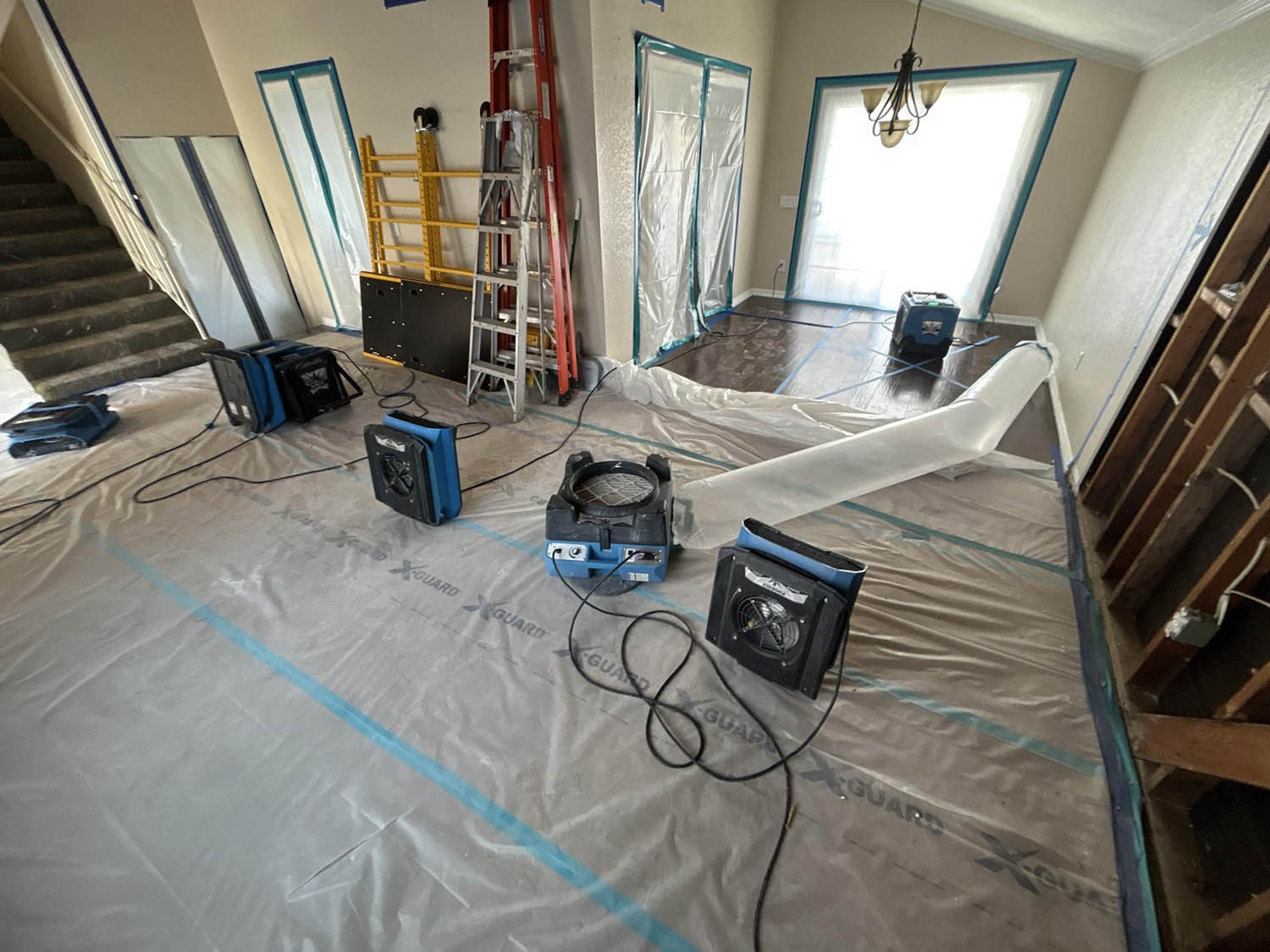
If you have a leak, burst pipe, appliance overflow, or storm-related flooding in Memphis TN, the first minutes matter. Before the restoration crew arrives, your job is to reduce the spread of water, protect people and valuables, and prepare the space so the drying process can begin as efficiently as possible. For local homeowners and property managers, Hometown Solutions Water and Flood Damage Restoration in Memphis TN is positioned as a provider of professional water and flood restoration services across West Tennessee and North Mississippi, with emergency contact options available for quick response.
This guide explains exactly what to do before water damage restoration arrives in Memphis TN, what not to do, how to document the damage, and how to make the most of the first visit from a restoration team. It also breaks down local considerations for Memphis neighborhoods, traffic patterns, and weather-related risks that can affect cleanup timelines and safety.
What To Do Before Water Damage Restoration Arrives in Memphis TN
Before the restoration team reaches your home or business in Memphis TN, focus on three priorities: stop the source if it is safe, protect people and belongings, and limit further damage. The goal is not to “fix” the problem yourself. The goal is to stabilize the scene so professional water extraction and structural drying can start with fewer complications.
If water is still entering the building, shut off the main water supply only if you know where it is and can reach it without stepping into standing water. If the source is from outside, such as flash flooding or heavy rain, keep everyone away from affected areas and avoid using electrical equipment near wet floors. In Memphis TN, where storms can arrive quickly and cause localized flooding, fast decision-making can prevent the damage from spreading into walls, cabinets, flooring, and insulation.
After the immediate hazard is addressed, walk through the property carefully and identify the wettest areas. Look for visible water, soaked carpet, damp drywall, swollen baseboards, staining, and any signs that water has moved into closets, hallways, or adjoining rooms. These details help the restoration team understand the scope of the problem before they begin water extraction, drying, and moisture monitoring.
Protect Safety First in Memphis TN
Safety comes before cleanup. Water damage can create hidden electrical hazards, slippery floors, contaminated surfaces, and structural weakness. If there is any chance that outlets, power strips, appliances, or wiring have been exposed, do not step into the area until power is turned off by a qualified person or the utility provider. If the water is from a sewer backup, storm runoff, or another contaminated source, avoid direct contact and keep children and pets out of the area.
In Memphis TN homes, especially older properties and houses with finished basements or crawl spaces, water can travel into concealed areas long before it becomes visible on the main floor. That means a room that looks only slightly wet may hide deeper saturation in the subfloor or wall cavities. If you smell mildew, hear dripping, or notice buckling floors, assume the damage is larger than it appears.
If you need to move through the property, wear closed-toe shoes with good grip. Avoid walking through water if you cannot see the floor clearly. If the area feels unsafe, leave it and wait for the restoration crew.
Stop the Source If It Is Safe To Do So
One of the most valuable things you can do before water damage restoration arrives in Memphis TN is stop the water source. For a plumbing leak, the main shutoff valve can prevent a small issue from becoming a full-scale loss. For an overflowing toilet or sink, turn off the local fixture valve if it is accessible. For an appliance leak, disconnect power only if you can do so without standing in water.
Do not force valves, handles, or electrical breakers if the area is wet or unstable. If you are unsure where the shutoff is, contact your plumber, property manager, or emergency services if the situation is severe. The faster the water stops, the more likely it is that flooring, drywall, and furnishings can be saved.
In commercial spaces along busy Memphis TN corridors, such as office buildings, retail shops, and restaurants, stopping the source early can also help reduce business interruption. Even a short delay can allow water to move into inventory, storage rooms, and equipment areas.
Document the Damage Before Anything Is Moved
Before you move items or start cleaning, document the damage with photos and short videos. Capture wide shots of each affected room, then close-up images of standing water, stained walls, damaged furniture, and affected personal items. If the cause is clear, photograph it too. This documentation can help with insurance claims, restoration planning, and future reference.
Make sure you record the time you discovered the damage, the room or rooms affected, and any immediate steps you took. If you are dealing with a claim, keep receipts for emergency purchases such as tarps, buckets, or temporary cleaning supplies. Organized records make it easier to explain the timeline of the loss.
Do not throw away damaged items too quickly. Many items should be reviewed by the restoration or insurance process first. If something must be removed because it poses a health risk, take a photo before disposal and note why it was removed.
Move Valuables and Dry What You Can Safely Save
Once the area is safe, move dry valuables out of the wet zone. Important documents, electronics, medications, heirlooms, photographs, and sentimental items should be relocated to a dry room if you can do so without risking injury. Lift furniture legs with wood blocks or foil if water is shallow and you are confident the structure is stable. Place aluminum foil or plastic under furniture feet to reduce wicking into carpet.
For items such as books, papers, and small decor, separate them so air can circulate around each piece. Keep wet fabric items away from clean, dry surfaces to prevent cross-contamination. If you have fans, use them only if the area is safe and electricity has not been compromised. The wrong fan in the wrong place can spread moisture and make the problem worse if contamination is present.
For Memphis TN residents in apartments or multi-unit buildings, be especially careful about moving items through hallways or shared spaces. Coordinate with building management if the water has affected common areas, so you do not create additional hazards for neighbors.
Limit Humidity and Airflow Problems
In humid climates, water damage can escalate quickly because moisture lingers in the air and slows drying. Memphis TN is known for heat and humidity, which makes prompt drying especially important after leaks, roof intrusion, or flooding. If the temperature and electrical conditions allow it, close windows if outdoor humidity is high and open them only if a professional recommends airflow from outside.
Do not rely on household fans alone when there is significant saturation. Restoration teams use moisture meters, extraction equipment, air movers, and dehumidifiers to target water trapped in materials. Home remedies can help at the edges, but they do not replace a controlled drying plan.
If the property has a basement, crawl space, or enclosed laundry room, these areas often need extra attention because stagnant air can trap humidity. Any odor that smells earthy, damp, or musty should be treated as a warning sign that drying has not reached all affected materials.
How To Prepare Your Memphis TN Home for the Crew
When the restoration team is on the way, clear access paths to the affected rooms, utility areas, and shutoff points. Move vehicles if needed so equipment can be unloaded quickly. If the damage is inside a bedroom, bathroom, kitchen, hallway, or basement, remove items from around doorways and hallways to make room for hoses, meters, and drying equipment.
If you have pets, confine them to a safe dry area or arrange for them to stay elsewhere during the restoration process. If children are in the home, keep them away from the affected area and from any standing water, tools, or electrical equipment. The first on-site assessment is faster and safer when the crew can move freely.
For homeowners in Memphis TN, preparation is not just about convenience. It also improves the quality of the assessment. When technicians can see the source, the extent of visible damage, and the rooms that were exposed, they can build a more accurate drying plan.
Why Local Conditions in Memphis TN Matter
Water damage in Memphis TN is shaped by local weather, housing styles, and geography. Heavy rains, sudden storms, and drainage issues can push water into basements, garages, and lower floors. In older neighborhoods, aging plumbing and original building materials may be more vulnerable to hidden leaks and extended drying times. In newer subdivisions, appliance failures and supply-line leaks often become the main cause of emergency calls.
Neighborhoods across Memphis TN can face different challenges. In Midtown, historic houses may have older wood framing and plaster that absorb moisture in unique ways. In East Memphis, larger homes often have multiple bathrooms, laundry rooms, and HVAC systems that can complicate the source tracing process. In Downtown and nearby commercial corridors, water losses may affect offices, retail inventory, or shared walls, which means cleanup needs to be organized around business continuity as well as property protection.
Local landmarks and traffic patterns also matter when crews are traveling to the property. If your home or business is near busy routes such as Poplar Avenue, Union Avenue, or the I-240 corridor, access may be affected during severe weather or rush-hour traffic. If the damage is near the University of Memphis, Overton Park, Shelby Farms Park, or the Mississippi River corridor, storm runoff and drainage patterns may influence the type of water intrusion the property experiences. Local knowledge helps restoration teams arrive prepared for the conditions they are likely to find.
What Not To Do Before Water Damage Restoration in Memphis TN
Just as important as the actions you take are the actions you avoid. Do not use a household vacuum to remove standing water. Do not turn on appliances that may have been exposed to water. Do not pull up flooring or tear into walls unless directed by a professional and it is necessary for safety. Untrained demolition can spread contamination, release hidden moisture, and make insurance documentation more difficult.
Do not bleach everything in sight. Chemical cleaners can damage surfaces, create fumes, and mask a deeper moisture problem. Do not place wet rugs on wood floors, because the backing can trap water and stain the surface below. Do not ignore small stains or “just a little” dampness, because water often moves in ways you cannot see.
In many Memphis TN losses, the most expensive mistakes happen when property owners try to dry the space too quickly without understanding the material behind the surface. Professional restoration focuses on measured drying, not guesswork.
What Professional Water Damage Restoration Usually Includes
Professional water damage restoration is more than mopping or drying. It usually begins with a visual inspection and moisture assessment, followed by water extraction, controlled drying, and monitoring until materials reach acceptable moisture levels. Depending on the damage, the process may also include removal of unsalvageable materials, deodorization, cleaning, and coordination with insurance documentation.
The service description provided by Hometown Solutions Water and Flood Damage Restoration emphasizes professional water and flood restoration services for homes and businesses across West Tennessee and North Mississippi, using advanced water extraction and structural drying methods to restore properties efficiently and safely. That means the first visit should help identify what can be saved, what must be removed, and what the drying plan will require.
If you are comparing service providers, it is helpful to ask whether they use moisture meters, dehumidification equipment, and structured drying methods rather than simply drying visible surfaces. The deeper the water went, the more important a technical response becomes.
How To Talk With the Restoration Team
When the crew arrives, give a clear, factual explanation of what happened. Tell them when you discovered the water, where it appears to have started, whether it is clean water or potentially contaminated water, and what steps you already took. Mention any electrical concerns, odors, previous leaks, or known plumbing issues. If you have photos, share them immediately.
Ask the crew what areas they want to inspect first and whether they need access to attics, basements, crawl spaces, or utility rooms. If they recommend shutting off HVAC equipment, moving furniture, or isolating sections of the property, follow their directions closely. Clear communication speeds up the process and reduces confusion.
For Memphis TN property owners managing a rental, commercial building, or multi-family property, this conversation is especially important because multiple occupants may be affected. A concise damage summary helps everyone understand what is safe, what is under evaluation, and what the next steps will be.
Memphis TN Neighborhood Considerations
Different parts of Memphis TN can present different pre-restoration needs. In older areas such as Cooper-Young, Central Gardens, and parts of Midtown, original floors, plaster walls, and older plumbing can require extra caution before any demolition starts. In East Memphis, many homes have larger footprints and more mechanical systems, which means water can spread into closets, laundry rooms, and utility spaces before it is discovered. In South Memphis and West Memphis-area service corridors, stormwater, drainage, and exterior intrusion may be more common during severe weather events.
If your property is near shopping districts, medical facilities, schools, or dense apartment buildings, access for the restoration crew may be affected by parking limits, gate codes, or property management rules. Preparing those logistics in advance can save time. If the building is near the University of Memphis, Shelby Farms Park, or popular commercial routes, it may also be easier for crews to plan equipment delivery if you share the best access point.
Being specific about location helps because water damage is never just about the water. It is about how the property is built, where the leak started, how far the water traveled, and how quickly drying can begin.
Why Rapid Action Helps Prevent Mold Growth
One of the main reasons to act quickly before water damage restoration arrives in Memphis TN is the risk of mold growth. Moisture that lingers in drywall, carpet pad, insulation, or wood can create the conditions mold needs to develop. Even when mold is not visible, prolonged dampness can create odors and damage indoor air quality.
Rapid documentation, source control, and temporary drying steps can reduce the window of exposure. That is especially important in warm, humid weather, where materials may stay damp longer. Professional drying methods are designed to remove hidden moisture as well as surface water, which is why early preparation matters so much.
If you are sensitive to allergies, asthma, or respiratory irritants, keep those occupants away from the affected area until the restoration team has evaluated the space. Trust the process and let the professionals determine whether cleaning, containment, or additional remediation is needed.
What To Have Ready When the Team Arrives
Have a few basic details ready when the crew arrives at your Memphis TN property. Gather your insurance information if you plan to file a claim. Keep your phone charged so you can receive updates, approve next steps, and send photos if needed. If there are locked rooms, storage closets, or utility areas, make sure the crew can access them. If a property manager, landlord, or HOA representative needs to be contacted, have that information available.
If the damage affected a home office, retail space, or business inventory, note which equipment or stock may need special handling. If personal items were removed for safety, create a simple list so nothing gets overlooked later. Small organizational steps now can prevent confusion during the repair and drying phase.
This is also a good time to ask practical questions about how long the drying process may take, whether dehumidifiers and air movers will need to stay on site, and how you will know when the materials are dry enough for the next phase of work.
How Hometown Solutions Helps Memphis TN Property Owners
Hometown Solutions Water and Flood Damage Restoration presents itself as a professional restoration company serving West Tennessee and North Mississippi with water and flood restoration services, emergency contact support, and a focus on extraction and structural drying. For Memphis TN property owners, that kind of service structure matters because water losses often require immediate scheduling, clear communication, and a methodical response.
If you are comparing local options, look for a company that explains what happens first, what equipment will be used, and how moisture will be monitored over time. A good restoration process is transparent. It should tell you what is happening, why it is happening, and what the expected next step is.
For more service context, it can help to review water damage restoration services for Memphis TN homes and businesses so you know what kind of response to expect when the team arrives. If you need to contact the company quickly or prepare for an inspection, the Memphis TN water damage emergency contact and scheduling page provides a direct path for getting help.
Final Preparation Checklist for Memphis TN
Before the restoration crew gets to your Memphis TN property, make sure you have checked the source of water if it is safe, documented the damage, removed valuables from harm’s way, secured pets and children, and cleared access to the affected rooms. Avoid doing anything that could put you at risk or make the damage worse. The most useful thing you can do is stabilize the situation and give the professionals a clean starting point.
Fast action, accurate documentation, and safe preparation can make a real difference in how much of the property can be saved. In a city like Memphis TN, where weather, humidity, and local building conditions all play a role, the best outcomes usually come from acting early and letting trained restoration professionals handle the drying and recovery process.
Frequently Asked Questions
What should I do first after discovering water damage in Memphis TN?
The first step is to make sure everyone is safe and then stop the water source if it can be done without risk. If the leak comes from plumbing, shut off the main water supply or the nearest fixture valve. If there is a chance of electrical exposure, avoid stepping into the area until power is secured. After that, take photos, protect valuables, and call a restoration professional. In Memphis TN, where storms and humidity can make damage spread quickly, the first hour matters a great deal. The goal is to stabilize the scene so the drying process can begin with minimal delay.
Should I try to dry the area myself before help arrives?
You can do small, safe steps such as moving dry items away from the wet area, opening safe pathways, and using towels to blot minor surface moisture. However, do not rely on household fans or portable heaters for major damage. Water often reaches under flooring, behind walls, and into insulation. If you are dealing with contaminated water, widespread saturation, or electrical risk, it is better to wait for the restoration team. In Memphis TN homes, especially those with high humidity or older materials, improper drying can leave hidden moisture behind and lead to bigger problems later.
How do I know if the water is clean, gray, or contaminated?
Clean water usually comes from supply lines, sinks, or appliance supply hoses. Gray water may come from a washing machine overflow, a dishwasher issue, or a tub drain backup and may contain contaminants. Contaminated water is more likely when the source involves sewage, floodwater, or unknown runoff. If you cannot tell where the water came from, treat it cautiously and avoid direct contact. In Memphis TN, storm-related flooding and drain backups can complicate the picture, so a professional assessment is the safest way to classify the water and decide what cleaning or removal steps are needed.
Is it safe to stay in my Memphis TN home after water damage?
It depends on the extent of the damage, the type of water involved, and whether electrical or structural hazards are present. If only a small area is affected and power is secure, some homeowners can remain in the property while cleanup begins. If the water is contaminated, if ceilings are sagging, if the floors are unstable, or if mold odors are strong, temporary relocation may be the safer choice. Memphis TN properties with basements, crawl spaces, or older wiring need extra caution because hidden hazards are common. Ask the restoration team for a safety assessment before deciding to stay overnight.
What information should I give the restoration crew when they arrive?
Tell them when you found the water, where you believe it started, what rooms were affected, and what you already did to reduce the damage. If there are electrical concerns, a sewer odor, a roof leak, or a known plumbing failure, mention those details right away. Photos and videos are helpful, especially if they show the source and the progression of the water. The more clearly you explain the timeline, the faster the team can create an effective plan. In Memphis TN, where losses can range from pipe breaks to storm intrusion, clear information helps the crew decide what equipment and materials will be needed.
How long does water damage restoration usually take in Memphis TN?
The timeline depends on how much water entered the property, how long it sat before cleanup started, and which materials were affected. A small, clean water leak may dry in a few days, while larger losses involving flooring, drywall, or contaminated water can take longer. Structural drying is often the longest part of the process because moisture must be removed from hidden areas, not just visible surfaces. In Memphis TN, high humidity can extend drying time, especially in enclosed rooms or older buildings. The restoration team should keep you updated as moisture readings improve and the property moves toward the next phase.
Will water damage restoration remove drywall and flooring?
Sometimes yes, but only when necessary. If drywall, carpet pad, insulation, or flooring is too wet to dry effectively or has been contaminated, removal may be required. This is not automatically a bad sign; in many cases, controlled removal allows the remaining structure to dry correctly. The decision depends on moisture levels, material type, contamination, and how long the water has been present. In Memphis TN homes, especially those with hardwood, tile, laminate, or older plaster walls, the restoration team will usually inspect carefully before deciding what can stay and what must go.
What should I do if the water damage affects my business in Memphis TN?
Protect employees and customers first, then secure the area and document the damage. If possible, shut off the water source and move inventory, electronics, and important records away from the affected zone. Notify management, ownership, and your insurance provider as needed. For businesses in Memphis TN, downtime can affect revenue quickly, so early restoration planning is important. The team may recommend isolating part of the property while drying continues, which can help keep the rest of the business operating. Clear communication about access, hours, and equipment needs can reduce disruption.
Can water damage cause mold even if the surface looks dry?
Yes. A surface can look dry while moisture remains trapped in drywall, subfloors, insulation, or behind cabinets. That hidden moisture can lead to mold growth if it is not removed quickly and thoroughly. This is one reason professional moisture mapping and drying are so important. In Memphis TN, where warm temperatures and humidity can support mold growth, unseen moisture is a serious concern. If you notice musty odors, staining, or recurring damp spots, ask for a deeper inspection rather than assuming the problem is gone.
What makes Memphis TN water damage different from other places?
Memphis TN has a mix of older homes, newer developments, humid weather, and storm-related flooding risks, and those factors change how water damage behaves. Moisture can move quickly through older framing, linger longer in humid conditions, and create hidden issues in basements, crawl spaces, and enclosed rooms. Traffic, building access, and neighborhood layout can also affect how quickly a crew can arrive and how easily equipment can be brought in. Local experience matters because a restoration plan should reflect the property type, the source of water, and the conditions specific to Memphis TN rather than using a one-size-fits-all approach.
By preparing the property, documenting the damage, and staying focused on safety, you give the restoration team the best possible starting point. That approach can improve drying efficiency, reduce unnecessary demolition, and help the recovery move forward with less stress for everyone involved.